
Create Listing

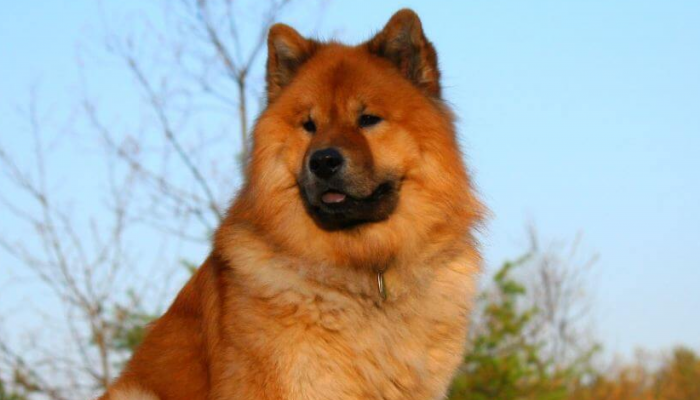
Eurasier

HEIGHT
19-24 inches
WEIGHT
40-70 pounds
LIFE SPAN
12-14 years
Information

Eurasiers are intelligent, sensitive, and emotionally intuitive. They require a calm, respectful approach to training, as harsh methods can cause them to withdraw. Early and continuous socialization is essential to help them develop confidence and comfort in new environments, especially since they may naturally be aloof around unfamiliar people.

They don’t have a strong prey drive and usually get along well with other pets. Their thick double coat provides excellent weather protection but does require weekly brushing—and daily care during shedding seasons.

Though generally quiet, Eurasiers are alert watchdogs who will bark if something seems off. They are not guard dogs, but they are observant and loyal protectors of their home base.

Quick facts
  • Origin: Germany

  • Breed Group: Non-Sporting / Spitz-type

  • Lifespan: 12–14 years

  • Height: 19–24 inches

  • Weight: 40–70 pounds

  • Coat Type: Medium to long double coat

  • Temperament: Calm, loyal, reserved

  • Exercise Needs: Moderate

  • Training Needs: Moderate

  • Grooming Needs: Moderate to high

  • Health Concerns: Hip dysplasia, hypothyroidism, eye issues

Overview

The Eurasier is a relatively modern breed developed in Germany by crossing the Chow Chow, Keeshond, and later the Samoyed. The result is a well-balanced, calm, and loyal family dog that embodies the best qualities of its ancestors: the dignified presence of the Chow, the intelligence of the Keeshond, and the gentle nature of the Samoyed.

Medium-sized with a plush double coat, pointed ears, and a curled tail, the Eurasier has a fox-like, alert appearance without being overly energetic or demanding. These dogs thrive on companionship and form strong bonds with their families, often showing reserved behavior toward strangers without aggression.

Adaptable and composed, Eurasiers are excellent home dogs, suited for both quiet families and more active lifestyles—as long as they remain close to their humans.

Find your perfect Eurasier in Ireland
Browse trusted listings of Eurasier puppies and dogs from breeders nationwide.
View all Eurasier
Eurasier FAQs
How much does a Eurasier cost in Ireland?
A Eurasier puppy in Ireland typically costs between €1,500 and €2,200, depending on breeder reputation, coat colour, and lineage.
Are Eurasiers good family pets?
Yes, they are affectionate, patient, and loyal dogs that bond deeply with their families. They are especially good with children and other pets when socialised early.
Do Eurasiers need a lot of exercise?
They require moderate daily exercise — about an hour a day of walks and playtime is usually enough to keep them happy and healthy.
Do Eurasiers shed a lot?
Yes, they shed seasonally, especially during coat changes in spring and autumn. Regular brushing several times a week helps manage shedding.
Are Eurasiers easy to train?
Yes, they are intelligent and eager to please, though they can be sensitive. They respond best to calm, positive reinforcement rather than harsh training methods.
What to expect

Owning a dog is not just a privilege; it’s a responsibility. They depend on us for, at minimum, food and shelter, and deserve much more.

Health
Eurasiers are generally a healthy breed, but hip dysplasia and hypothyroidism can occur. Routine vet visits, joint monitoring, and early detection of endocrine or eye conditions are recommended. Keep their weight stable to avoid joint strain.
Grooming
The thick double coat needs brushing at least once a week—and more frequently during seasonal shedding (spring and fall). Use a slicker or undercoat rake to manage loose fur. Bathe occasionally, but not excessively, to preserve coat oils.
Exercise
Eurasiers need daily walks and some active play, but they are not hyper. They enjoy off-leash time in safe, enclosed spaces. Mental stimulation like training games or food puzzles helps keep them balanced and focused.
Training
Smart and cooperative, but also sensitive. Positive reinforcement and patience work best. Harsh tones can cause avoidance or stubbornness. Socialization from a young age helps minimize shyness or aloofness with strangers.
Nutrition
Feed a high-quality, well-balanced diet suitable for medium to large breeds. Adjust portions based on age and activity level. Monitor weight to prevent joint stress and ensure consistent access to clean water.

Perfect Service for Your Dog

Advertise for less than €20 / month

Paws for a moment and take a step closer to your new best friend

Sign up
Subscribe to our newsletter

Dogs for Sale

Dogs for Stud

Resources

Information